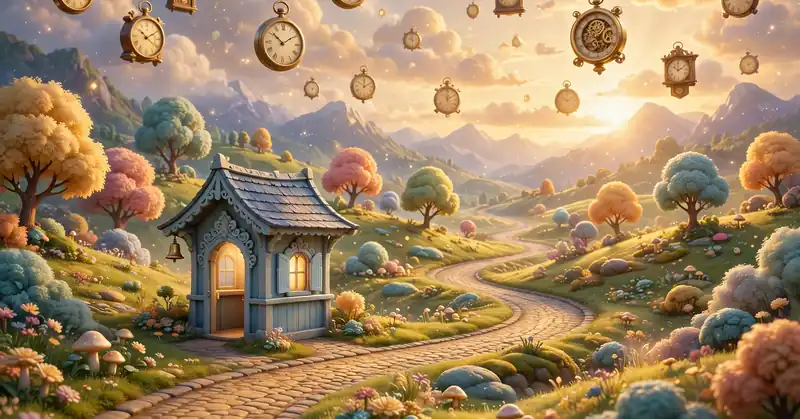
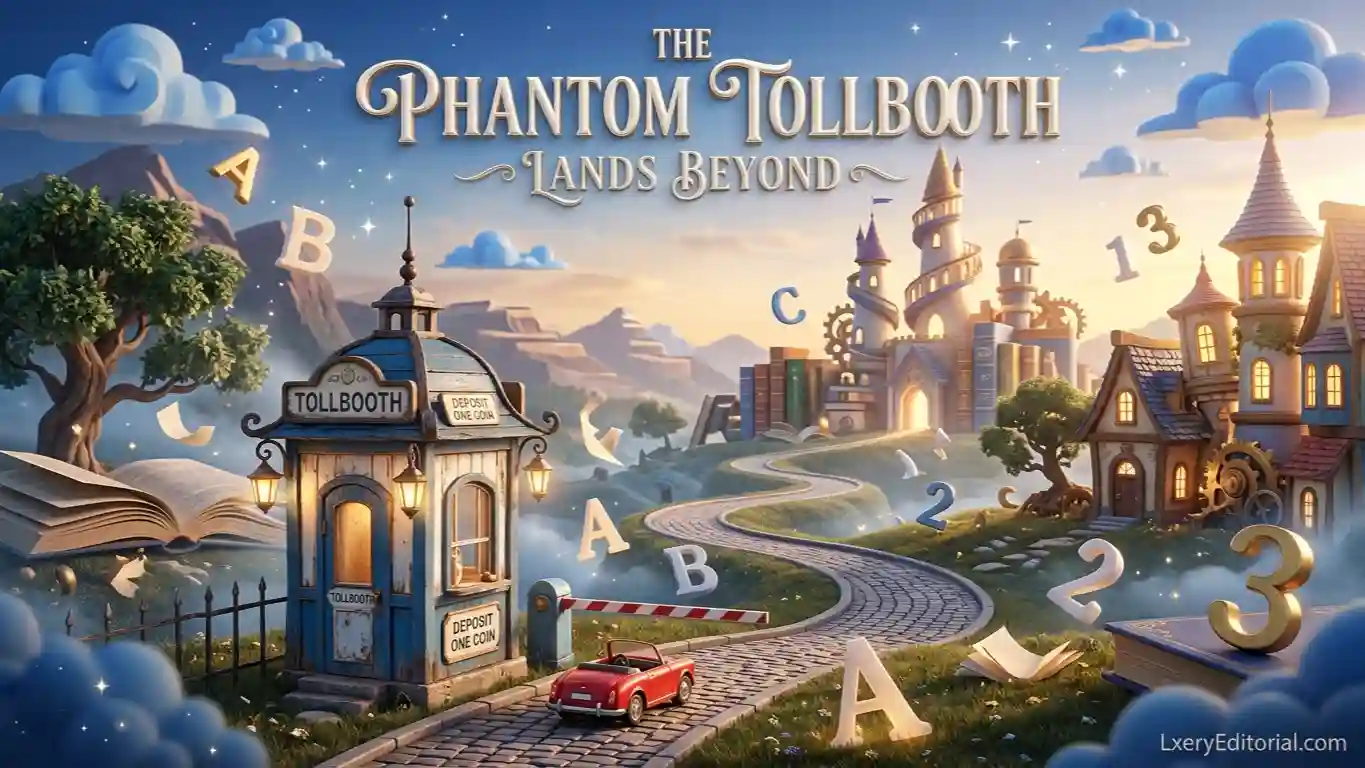
The best Phantom Tollbooth quotes remind us that curiosity can transform the way we see the world. Written by Norton Juster and published in 1961, The Phantom Tollbooth follows Milo, a young boy who finds everyday life boring. Everything changes when he discovers a mysterious tollbooth that takes him to the Lands Beyond, a magical world filled with unusual characters, clever wordplay, and surprising lessons.
During his journey, Milo meets Tock the watchdog, visits the cities of Dictionopolis and Digitopolis, and learns why words, numbers, time, and imagination matter. What begins as an adventure becomes a story about learning to think independently, appreciating everyday experiences, and finding wonder in unexpected places.
This collection explores memorable passages associated with the novel, organized by themes such as possibility, curiosity, mistakes, language, time, and imagination. Whether you are looking for a line for a graduation speech, a classroom display, a reading journal, or personal inspiration, these themes capture much of what makes Juster’s classic so enduring.
Note: Check each quotation and its speaker against your own edition of the book before reproducing it. Exact wording and page numbers should not be assumed without verification.
Phantom Tollbooth Quotes About Doing the Impossible
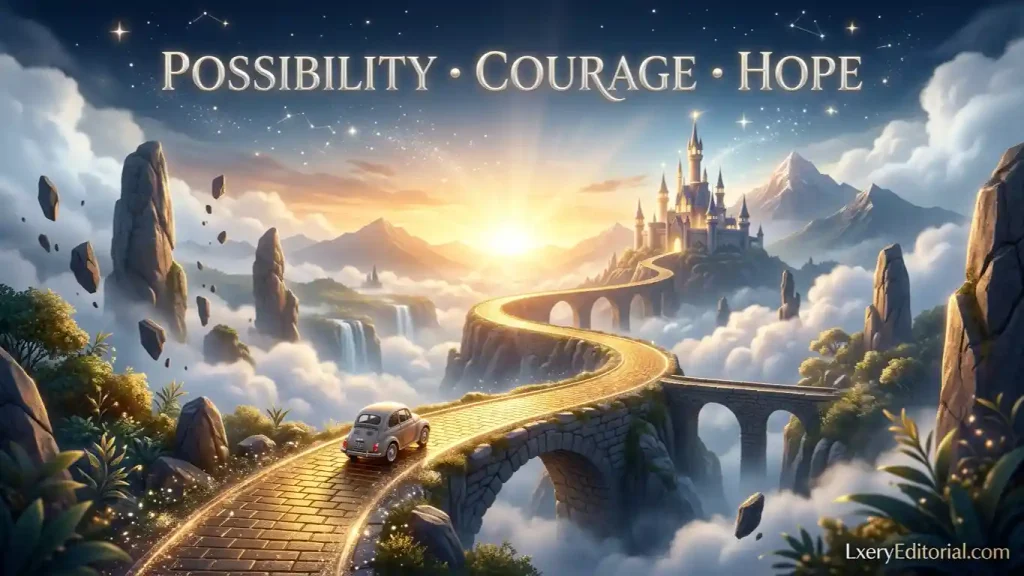
One of the central lessons of The Phantom Tollbooth is that people can limit themselves by deciding something cannot be done before they have tried. Milo’s journey challenges this assumption. His adventure shows that a willingness to begin, ask questions, and keep moving can open possibilities that once seemed out of reach.
“So many things are possible just as long as you don’t know they’re impossible.”
The Phantom Tollbooth
This is one of the best-known lines associated with the novel. Its message is especially meaningful for students, graduates, and anyone facing a new challenge. It does not suggest that every goal is easy or that success is guaranteed. Instead, it encourages people to question assumptions and give themselves an opportunity to try.
The story also explores the relationship between determination and action. Having an idea is only the beginning; progress depends on what a person chooses to do next.
“What you can do is often simply a matter of what you will do.”
Princess Reason, The Phantom Tollbooth
This idea encourages readers to look beyond self-doubt. Support from others can be valuable, but personal effort and the willingness to take the first step matter too.
Milo’s transformation also reminds us that growing older does not have to mean losing curiosity.
“…I’ll continue to see things as a child. It’s not so far to fall.”
Milo, The Phantom Tollbooth
The thought captures the importance of keeping an open mind. Children often notice possibilities that adults overlook because they have not yet decided how the world is supposed to work. Maintaining that sense of wonder can help people continue learning throughout their lives.
Short Phantom Tollbooth Quotes
Sometimes a short quotation is more useful than a long passage. A concise line can fit on a classroom poster, in a reading journal, or in a personal note.
Here are several short lines associated with the novel that you can consider, after checking their exact wording in your edition:
“There are no wrong roads to anywhere.”
“Expect everything, I always say, and the unexpected never happens.”
“History is full of Humbugs.”
“It’s bad enough wasting time without killing it.”
Short quotations are easy to remember, but their context still matters. Juster often uses irony, puns, and exaggerated characters to make a point. A sentence that sounds like straightforward advice may actually be part of a joke.
When sharing a quotation, consider explaining what it means in the story. A little context can make even a short line more interesting and useful.
Tock the Watchdog: Quotes About Time and Thinking
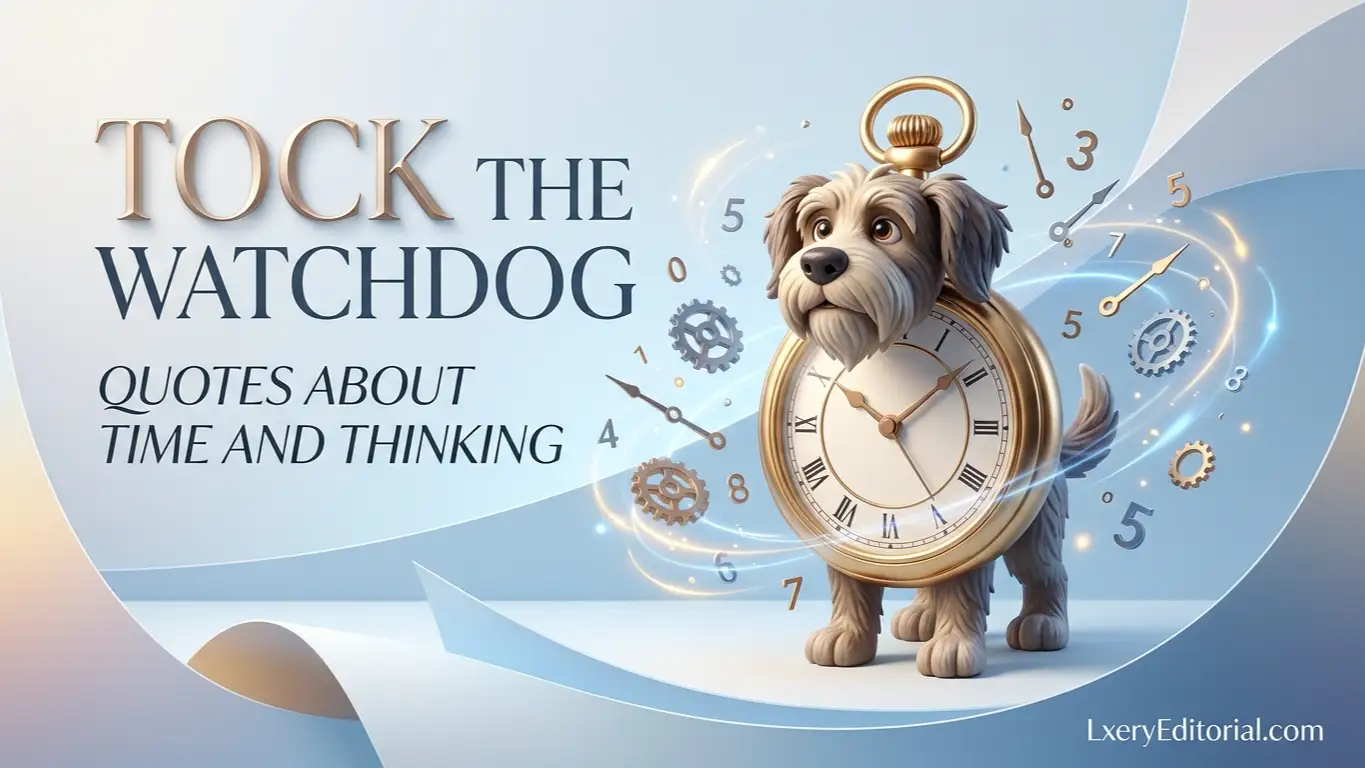
Tock is one of Milo’s most memorable companions. As a watchdog with a clock built into his body, he represents the importance of time and the danger of wasting it without thinking about how it is being used.
His role in the story is more than comic. Tock encourages Milo to pay attention, think carefully, and take responsibility for his choices.
“It’s bad enough wasting time without killing it.”
Tock, The Phantom Tollbooth
The line plays on the familiar expression “killing time.” Tock takes the phrase literally and turns it into a warning. Time is valuable, and treating it as something meaningless to dispose of can prevent us from noticing the opportunities around us.
Another lesson from Tock connects thinking with finding a solution.
“Since you got here by not thinking, it seems reasonable to expect that, in order to get out, you must start thinking.”
Tock, The Phantom Tollbooth
The idea is simple: when carelessness contributes to a problem, paying attention can be the first step toward solving it. Rather than waiting for someone else to rescue him, Milo must learn to use his own judgment.
The novel also pokes fun at language that uses too many words to communicate too little.
“Only when you use a lot to say a little.”
Tock, The Phantom Tollbooth
This short response is a useful reminder for students and writers. Good communication is not about making every sentence long or complicated. It is about choosing words that express an idea clearly.
Tock’s lessons encourage readers to use their time thoughtfully, think before acting, and appreciate the difference between being busy and doing something meaningful.
Quotes About Mistakes and Learning
Milo begins his adventure believing that much of what he learns at school has little value. As he travels through the Lands Beyond, he discovers that knowledge can become useful in unexpected ways.
The story also challenges the idea that making a mistake is always a failure. Mistakes can reveal what a person does not understand and show where further learning is needed.
“You must never feel badly about making mistakes, as long as you take the trouble to learn from them. For you often learn more by being wrong for the right reasons than you do by being right for the wrong reasons.”
Princess Reason, The Phantom Tollbooth
This passage expresses an important lesson about learning: reaching the correct answer is not the only measure of understanding. The reasons behind a decision matter as well. A thoughtful mistake can lead to greater understanding, while a correct answer reached without thought may teach very little.
The novel also uses humor to challenge the desire for easy answers.
“The only thing you can do easily is be wrong, and that’s hardly worth the effort.”
The Mathemagician, The Phantom Tollbooth
The line fits the book’s playful approach to wisdom. It suggests that meaningful learning often requires patience and effort rather than shortcuts.
Another theme is the value of learning things even when their purpose is not immediately obvious.
“What you learn today, for no reason at all, will help you discover all the wonderful secrets of tomorrow.”
Princess Rhyme, The Phantom Tollbooth
New knowledge can change the way people understand later experiences. A subject that seems unimportant today may become useful in a completely different situation in the future.
Together, these ideas encourage students to remain patient, ask questions, and treat mistakes as opportunities to learn rather than reasons to give up.
Quotes About Curiosity, Knowledge, and Learning
Curiosity drives Milo’s journey. At the beginning of the novel, he struggles to find anything interesting in the world around him. His travels teach him that learning can reveal unexpected connections and make ordinary experiences feel new.
Knowledge, however, is not simply a collection of facts. It becomes meaningful when people think about what they learn and how they can use it.
“And it’s much the same thing with knowledge, for whenever you learn something new, the whole world becomes that much richer.”
The Phantom Tollbooth
The idea captures one of the novel’s central messages. Learning does not always change the world itself, but it can change the way a person experiences it. Understanding a new word, discovering a scientific idea, or learning about another culture can make familiar things seem more interesting.
The book also uses imaginative images to explore the difference between having access to knowledge and actually using it.
“You can swim all day in the Sea of Knowledge and not get wet.”
The Phantom Tollbooth
The playful image invites readers to think about how they learn. Being surrounded by books, information, or lessons does not automatically produce understanding. People must engage with ideas, ask questions, and make connections for knowledge to become useful.
Another important distinction is the difference between learning something and understanding why it matters.
“But it’s not just learning that’s important. It’s learning what to do with what you learn and learning why you learn things that matters.”
Princess Rhyme, The Phantom Tollbooth
The broader lesson is that education involves more than memorizing information. It also involves judgment, application, and curiosity about how different ideas fit together.
These themes make the novel especially useful for conversations about school, reading, lifelong learning, and the value of asking questions.
Quotes About Words and Language
In Dictionopolis, words become part of the physical landscape. Juster uses this imaginative setting to explore how language shapes communication and how words can become confusing when people stop thinking about what they mean.
The novel’s wordplay is funny, but it also asks serious questions. Do people use language to communicate clearly, or do they sometimes use complicated words to hide a lack of understanding?
“We never choose which words to use, for as long as they mean what they mean, we don’t care if they make sense or are nonsense.”
The Phantom Tollbooth
The deliberately tangled wording illustrates the problem it describes. When language becomes careless, a sentence can sound meaningful while leaving readers unsure what the speaker is actually saying.
Another line challenges the idea that polished language automatically indicates intelligence.
“A slavish concern for the composition of words is the sign of a bankrupt intellect.”
The Phantom Tollbooth
This idea raises an important distinction between style and substance. Good writing benefits from careful word choice, but attractive sentences cannot replace clear thinking.
Milo’s boredom with school also reveals how a lack of curiosity can make learning seem pointless.
“It seems to me that almost everything is a waste of time.”
Milo, The Phantom Tollbooth
At the beginning of the story, Milo struggles to see the value in everyday lessons. His journey gradually changes that attitude. He discovers that words, numbers, and seemingly ordinary facts can become fascinating when he understands how they connect to the world.
These passages make the book especially relevant to readers interested in writing, communication, education, and the power of language. They remind us to choose words carefully and to value meaning over unnecessary complexity.
Quotes About Finding Your Way
Milo enters the Lands Beyond without a clear understanding of where he is going or what he will discover. His journey is full of unexpected stops, confusing decisions, and encounters with characters who see the world in unusual ways.
The Whether Man introduces readers to the uncertainty of choosing a direction.
“Whether or not you find your own way, you’re bound to find some way. If you happen to find my way, please return it, as it was lost years ago. I imagine by now it’s quite rusty.”
The Whether Man, The Phantom Tollbooth
The joke reflects the character’s uncertainty, but it also connects to a familiar experience: people do not always know which direction to take. Not having a complete plan does not mean a person cannot move forward.
Another line offers a playful perspective on mistakes and detours.
“There are no wrong roads anywhere.”
The Phantom Tollbooth
Read as a reflection on Milo’s journey, the line suggests that unexpected experiences can still teach us something. A detour may introduce a new idea or reveal a weakness in a plan.
The town of Expectations also gives the novel an opportunity to play with the relationship between what people imagine and what actually happens.
“Expectations is the place you must always go to before you get to where you’re going.”
The Whether Man, The Phantom Tollbooth
Expectations can shape how people approach a new experience. They can encourage someone to prepare, but they can also make it harder to recognize possibilities that do not match an original plan.
The Whether Man’s humor continues with another statement that sounds wise but turns logic upside down.
“Expect everything, I always say, and the unexpected never happens.”
The Whether Man, The Phantom Tollbooth
The contradiction is part of the joke. Juster invites readers to notice that a sentence can sound confident without actually making sense.
Together, these moments remind readers that finding a direction requires curiosity, flexibility, and a willingness to reconsider assumptions.
Quotes About Silence, Listening, and Really Seeing
Not every important moment in The Phantom Tollbooth depends on noise, action, or conversation. In the Valley of Sound, Milo encounters the Soundkeeper, whose story explores what happens when the sounds of the world are taken away.
Her reflections encourage readers to notice quiet experiences that are often overlooked.
“Have you ever heard the wonderful silence just before the dawn? Or the quiet and calm just as a storm ends? … Each one is different, you know, and all very beautiful if you listen carefully.”
The Soundkeeper, The Phantom Tollbooth
The passage draws attention to the value of listening. Silence is not necessarily an empty space; it can have its own character and meaning. A quiet moment before sunrise or after a storm can feel different from any other moment.
The novel also encourages readers to pay attention to the world around them.
“But I suppose there’s a lot to see everywhere, if only you keep your eyes open.”
The Phantom Tollbooth
This idea connects directly to Milo’s transformation. The world around him does not need to become completely different for him to find it interesting. He needs to become more observant.
These themes are relevant in a world full of distractions. Listening carefully, noticing small details, and giving an experience your full attention can reveal things that might otherwise go unnoticed.
Funny Phantom Tollbooth Quotes
Although The Phantom Tollbooth contains thoughtful lessons, it is also a comedy built on puns, absurd situations, and characters who take unusual ideas seriously.
Juster’s humor makes abstract subjects such as mathematics and language accessible. A joke about infinity, for example, can introduce a mathematical idea while also making readers laugh.
“WHY NOT?” … “That’s a good reason for almost anything a bit used perhaps, but still quite serviceable.”
The Phantom Tollbooth
The phrase captures the spirit of trying something new. A question that sounds simple can encourage a person to move beyond hesitation and consider a possibility they had not previously explored.
The novel also uses wordplay to turn mathematical concepts into comic situations.
“Infinity is a dreadfully poor place. They can never manage to make ends meet.”
The Phantom Tollbooth
The joke relies on the double meaning of “ends” and the idea of infinity. It illustrates how Juster makes abstract ideas memorable by connecting them with familiar expressions.
The book’s humor is not simply decoration. It helps readers approach difficult ideas with curiosity instead of fear. A joke can make a concept easier to remember and encourage readers to look more closely at how words and numbers work.
Frequently Asked Questions About Phantom Tollbooth Quotes
What is the most famous Phantom Tollbooth quote?
One of the best-known lines associated with the novel is, “So many things are possible just as long as you don’t know they’re impossible.” It expresses the story’s message about challenging assumptions and being willing to attempt something difficult. Verify the exact wording and scene in your edition before citing it.
Who wrote The Phantom Tollbooth?
The Phantom Tollbooth was written by Norton Juster and published in 1961, with illustrations by Jules Feiffer. It became a much-loved children’s classic because of its imaginative world, playful language, and thoughtful treatment of learning and curiosity.
What is The Phantom Tollbooth about?
The novel follows Milo, a bored young boy who travels through a mysterious tollbooth into the Lands Beyond. With Tock the watchdog and the Humbug, he visits unusual places and encounters characters who teach him about words, numbers, time, and independent thinking. His mission includes rescuing the princesses Rhyme and Reason.
What are the main themes of Phantom Tollbooth quotes?
Common themes include curiosity, education, time, language, imagination, mistakes, and the importance of thinking for yourself. Juster often explores these subjects through jokes and wordplay, allowing readers to enjoy the adventure while reflecting on its deeper ideas.
Are Phantom Tollbooth quotes good for graduation speeches?
They can be a good fit for graduation speeches because the novel explores learning, new beginnings, and the possibility of changing how we see the world. Choose a quotation that matches your message, verify the wording, and briefly explain its meaning so that the audience understands why it matters.
How do I find the page number for a Phantom Tollbooth quote?
Page numbers vary between print editions and digital formats. Look for the passage in the edition you are using, and include the edition details if you provide a page reference. Chapter references can also help readers locate a quotation.
Can I use Phantom Tollbooth quotes in a classroom or on social media?
Short quotations can be useful for classroom discussions, reading journals, and social posts. Check the exact wording, identify the speaker when possible, and provide the book title and author. If you plan to reproduce substantial passages or use quotations commercially, check the relevant copyright requirements.
How to Choose the Right Phantom Tollbooth Quote
The best quotation depends on your purpose and the message you want to share.
- For graduation speeches: Look for a verified passage about possibility, learning, or approaching a new challenge.
- For classroom displays: Choose a short line that encourages curiosity, clear thinking, or thoughtful use of time.
- For reading journals: Select a passage that connects to Milo’s character development or a lesson from his journey.
- For writing lessons: Use a verified example of Juster’s wordplay to discuss clarity, meaning, and the effect of language.
- For social media captions: Choose a brief line and add a short explanation rather than presenting an ironic statement as straightforward advice.
- For book discussions: Consider the speaker, the situation, and how the quotation connects to the novel’s wider themes.
A little context can make a quotation more meaningful. Instead of sharing a line alone, explain who says it, what is happening in the story, and why the idea remains relevant.
Quote Accuracy, Editions, and Page Numbers
Quotation accuracy is particularly important in an article devoted to lines from a book. A quotation that is incorrectly worded or attributed can mislead readers, even if its general message sounds appropriate.
Before publishing, compare each quotation with a reliable copy of The Phantom Tollbooth. Confirm the exact wording, punctuation, speaker, and surrounding context. Do not rely solely on quote collections, which may omit context or repeat mistakes.
Remember the difference between the author and the speaker. Norton Juster wrote the novel, but many lines are spoken by characters such as Milo, Tock, the Whether Man, Princess Rhyme, and Princess Reason. Attribute dialogue to the character who says it when that information can be verified.
Page numbers can vary by edition, so include them only after checking the specific copy you used. If possible, provide a chapter reference and identify the edition for readers who want to locate the passage.
Taking these steps will make your collection more trustworthy and useful for students, teachers, readers, and anyone looking for a quotation to share.
Why These Quotes Still Matter
The lasting appeal of The Phantom Tollbooth comes from its belief that the world becomes more interesting when we pay attention to it. At the beginning of the story, Milo sees little value in the things around him. His journey teaches him to ask questions, explore unfamiliar ideas, and appreciate the possibilities hidden in everyday experiences.
The novel’s humor makes its lessons enjoyable, while its imaginative settings give readers memorable ways to think about time, language, learning, and personal growth. Its message is not that every day will be exciting or every problem will be easy. Rather, curiosity can change how we respond to ordinary life.
Whether you are choosing a quotation for a graduation speech, a classroom activity, a reading journal, or personal reflection, take time to consider the meaning behind the words. Check the wording, understand the context, and choose a passage that genuinely connects with your purpose.
Milo’s adventure offers a lasting reminder: sometimes the world does not need to change for us to discover something wonderful. Sometimes we simply need to look at it with fresh eyes.
Frequently Asked Questions About Phantom Tollbooth Quotes
1. What is the most famous quote from The Phantom Tollbooth?
One of the best-known quotes from The Phantom Tollbooth is, “So many things are possible just as long as you don’t know they’re impossible.” It reflects the novel’s message about challenging assumptions, staying open to possibilities, and having the courage to try. Verify the exact wording and context against your edition before publishing.
2. Who wrote The Phantom Tollbooth?
Norton Juster wrote The Phantom Tollbooth, which was published in 1961 and illustrated by Jules Feiffer. The book became a beloved classic because of its imaginative adventures, clever wordplay, and meaningful lessons about curiosity and learning.
3. What is The Phantom Tollbooth about?
The story follows Milo, a young boy who feels bored with everyday life. After discovering a mysterious tollbooth, he travels to the Lands Beyond, where he meets unusual characters and explores places such as Dictionopolis and Digitopolis. Through his adventures, Milo learns to appreciate knowledge, language, numbers, time, and independent thinking.
4. What are the main themes of The Phantom Tollbooth?
The novel explores curiosity, education, imagination, time management, communication, and personal growth. It encourages readers to ask questions, think carefully, and discover value in experiences that may initially seem ordinary or unimportant.
5. Which Phantom Tollbooth quotes are good for graduation speeches?
Quotes about possibility, learning, and overcoming assumptions can work well in graduation speeches. Choose a verified passage that connects with your message about new beginnings, future goals, or lifelong learning. Briefly explain its meaning so your audience understands why you selected it.
6. Are there funny quotes in The Phantom Tollbooth?
Yes. Humor is an important part of the novel. Norton Juster uses puns, absurd situations, and unusual characters to make ideas about language, mathematics, and everyday behavior entertaining. Tock’s observations about time and the wordplay in Dictionopolis are especially memorable.
7. What can students learn from The Phantom Tollbooth?
Students can learn to remain curious, think independently, ask questions, and recognize the value of education. Milo’s journey also shows that mistakes and unexpected experiences can become opportunities for growth when people are willing to learn from them.
8. How do I find the page number of a Phantom Tollbooth quote?
Page numbers depend on the edition and format of the book. Check the quotation in the exact copy you are using and include the edition details when giving a page reference. A verified chapter reference can also help readers locate the passage.
9. Can I use Phantom Tollbooth quotes on social media?
Short quotations may work well in captions, reading posts, or book discussions. Check the wording and attribution, credit Norton Juster and the book, and consider adding a brief explanation. For commercial use or longer excerpts, check the applicable copyright requirements.
10. Why are Phantom Tollbooth quotes still popular today?
The quotes remain appealing because they address experiences that readers continue to face: learning something new, managing time, communicating clearly, and finding direction. The novel combines these ideas with humor and imagination, making its lessons accessible to both younger and older readers.
Conclusion: Why Phantom Tollbooth Quotes Still Inspire Readers
The best Phantom Tollbooth quotes remind us that curiosity can change the way we experience everyday life. Through Milo’s journey into the Lands Beyond, Norton Juster explores the importance of learning, the value of time, the power of language, and the need to think for ourselves.
What makes the novel special is its ability to combine meaningful lessons with humor, imagination, and unforgettable characters. Its ideas encourage students to approach learning with an open mind, writers to choose their words carefully, and readers of all ages to look beyond what seems ordinary.

Mustansar Abbas is a writer and author of the article “LuxaryEditorial” He is passionate about creating meaningful and engaging content that connects with readers through clear ideas and thoughtful expression.