Jane Austen’s novels capture love in all its forms, from passionate declarations and second chances to heartbreak, friendship, and the witty realities of marriage. Her most memorable lines reveal why love requires more than attraction: it also calls for understanding, patience, and good judgment.
This collection of Jane Austen love quotes brings together romantic passages, thoughtful reflections, and witty observations from her beloved classic novels, including Pride and Prejudice, Persuasion, Emma, Sense and Sensibility, Northanger Abbey, and Mansfield Park. Whether you are looking for a beautiful line for a wedding, a thoughtful caption, or a quote about lasting love, these words offer plenty to discover.
Grand Declarations The Most Romantic Jane Austen Love Quotes

Jane Austen’s romantic characters do not always express their feelings easily. Pride, fear, misunderstandings, and social expectations often stand between them. When they finally speak honestly, their words can be unforgettable.
1. Mr. Darcy’s First Declaration of Love
“In vain have I struggled. It will not do. My feelings will not be repressed. You must allow me to tell you how ardently I admire and love you.”
Mr. Darcy, Pride and Prejudice, Chapter 34
Darcy’s declaration reveals the depth of his feelings for Elizabeth Bennet. Yet his proposal is complicated by his pride and his belief that their different social positions matter. Austen makes the moment memorable because strong feelings alone do not guarantee a successful relationship.
2. Captain Wentworth’s Powerful Love Letter
“You pierce my soul. I am half agony, half hope.”
Captain Frederick Wentworth, Persuasion, Chapter 23
This is one of Austen’s most celebrated romantic lines. Wentworth writes to Anne Elliot after years of separation and unresolved feelings. His words express the vulnerability of someone who still loves deeply but cannot be certain that his feelings will be returned.
3. A Love That Can No Longer Stay Silent
“I can listen no longer in silence. I must speak to you by such means as are within my reach.”
Captain Frederick Wentworth, Persuasion, Chapter 23
The letter begins with urgency. Wentworth has spent years trying to hide his feelings, but Anne’s words give him hope. This passage captures the moment when honesty becomes more important than protecting oneself from disappointment.
4. Emma’s Unusual Confession
“If I loved you less, I might be able to talk about it more.”
Emma Woodhouse, Emma
Emma is usually confident and quick with words, but love changes the way she communicates. Her confession shows that even an intelligent, outspoken person can struggle to express genuine affection when the feelings are deeply personal.
5. Darcy on Falling in Love
“I cannot fix on the hour, or the spot, or the look, or the words, which laid the foundation. It is too long ago.”
Mr. Darcy, Pride and Prejudice, Chapter 60
Darcy cannot identify one moment when his love began. His feelings developed over time, through experiences and changing perceptions. The line is a reminder that love does not always arrive in one dramatic instant; sometimes it grows quietly.
Falling in Love, Austen-Style

For Austen, falling in love often begins with attraction but becomes meaningful through self-knowledge. Her characters must learn to distinguish genuine affection from fantasy, vanity, and social pressure.
1. Marianne Dashwood’s Romantic Expectations
“The more I know of the world, the more I am convinced that I shall never see a man whom I can really love. I require so much!”
Marianne Dashwood, Sense and Sensibility
Marianne believes love should meet her high romantic expectations. Her story explores the difference between imagining perfect love and understanding another person as they really are. The quote captures the intensity of someone who refuses to treat romance as an ordinary matter.
2. Love Without Half Measures
“There is nothing I would not do for those who are really my friends. I have no notion of loving people by halves; it is not my nature.”
Isabella Thorpe, Northanger Abbey
Isabella speaks with confidence about loyalty and affection. Her later behavior, however, reveals a gap between her words and her character. Austen uses this contrast to show that declarations of devotion mean little without honest actions.
3. Elizabeth Bennet’s Honest View of Affection
“There are few people whom I really love, and still fewer of whom I think well.”
Elizabeth Bennet, Pride and Prejudice
Elizabeth’s witty observation reflects her selective view of other people. She values affection, but she does not automatically admire everyone she knows. The line also suits Austen’s wider interest in the difference between liking someone and respecting their character.
Enduring Love and Second Chances
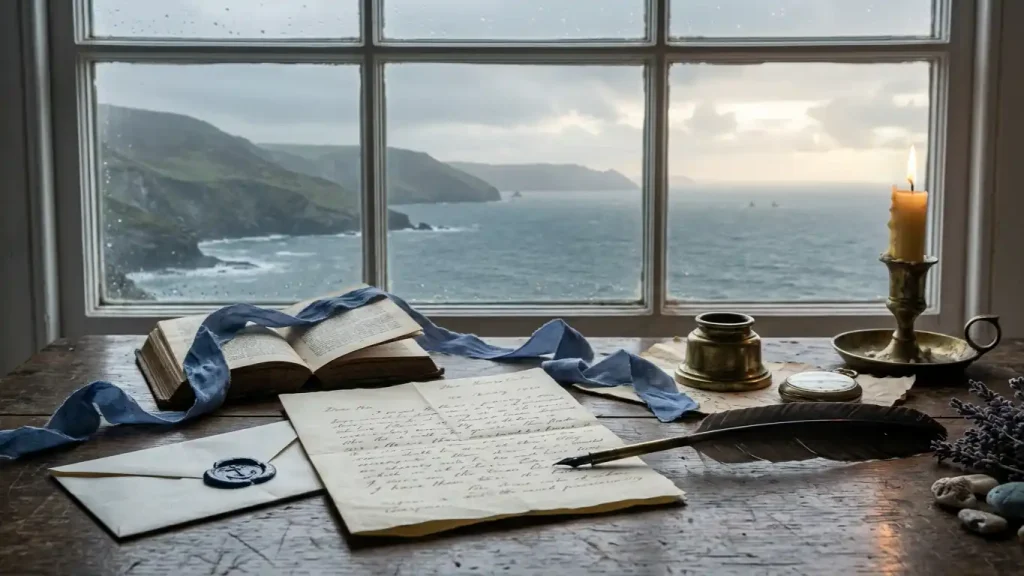
Some of Austen’s most moving romantic moments concern love that survives disappointment. In Persuasion, Anne Elliot and Captain Wentworth must face the consequences of a decision made years earlier.
1. Anne Elliot on Women’s Constancy
“All the privilege I claim for my own sex (it is not a very enviable one; you need not covet it), is that of loving longest, when existence or when hope is gone.”
Anne Elliot, Persuasion, Chapter 23
Anne expresses her belief that women can remain devoted long after men assume their feelings have changed. Her words form part of a conversation about love, loyalty, and the differences between men’s and women’s experiences. Wentworth hears her argument, making the moment central to their reunion.
2. Friendship After Disappointment
“Friendship is certainly the finest balm for the pangs of disappointed love.”
Narrator, Northanger Abbey
Austen recognizes that heartbreak can be eased by companionship. Romantic love is important in her novels, but it is not the only source of comfort. Friendship can help people recover their confidence and see life beyond a painful disappointment.
3. Happiness Does Not Always Follow the First Plan
“There will be little rubs and disappointments everywhere, and we are all apt to expect too much; but then, if one scheme of happiness fails, human nature turns to another…”
Mansfield Park
This reflection captures Austen’s practical understanding of disappointment. The complete passage considers how people adjust when their hopes are not fulfilled. Before publishing this excerpt, check the exact wording and speaker against the edition you use, and link to the original text.
Jane Austen Quotes About Unrequited Love
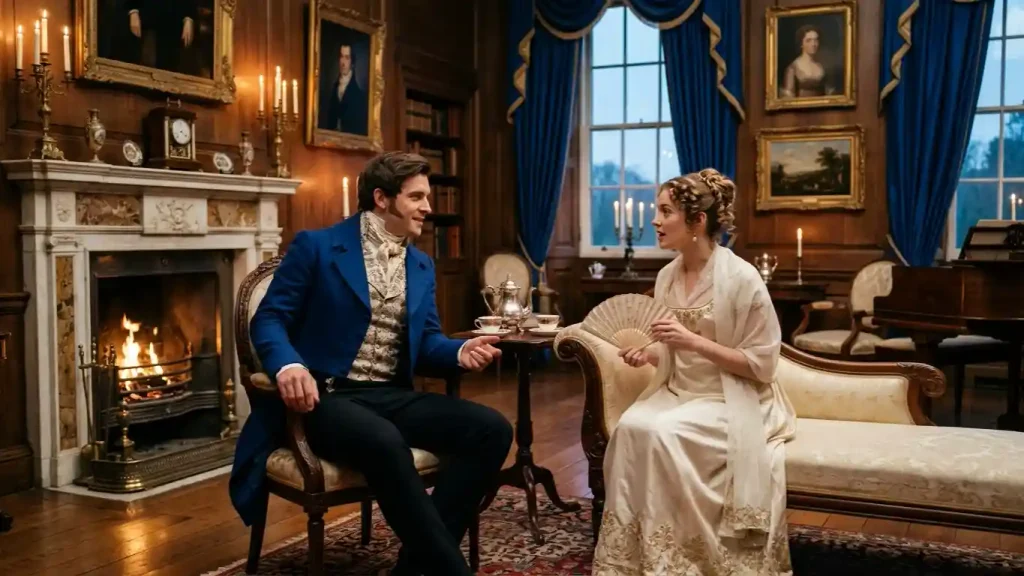
Unreturned love appears throughout Austen’s novels. Her characters may hide their feelings, misunderstand another person’s intentions, or discover that affection cannot create a happy relationship by itself.
1. Love That Cannot Be Spoken Easily
Wentworth’s letter in Persuasion is especially moving because his love has remained unresolved for years. His words show the emotional cost of uncertainty: he hopes Anne still loves him, but he cannot assume that she does.
“I am half agony, half hope.”
Captain Frederick Wentworth, Persuasion, Chapter 23
The short line expresses the mixture of pain and possibility that often accompanies unreturned or uncertain love.
2. When Feelings Meet Reality
Marianne Dashwood’s romantic ideals in Sense and Sensibility make her vulnerable to disappointment. Her story explores the difficulty of accepting that a person may not be as devoted or honorable as they first appear.
Austen does not suggest that strong feelings are foolish. Instead, she shows why affection needs to be balanced with judgment and an understanding of character.
Jane Austen Quotes About Being Truly Loved
Austen’s happiest romantic relationships are not built on attraction alone. Respect, kindness, honesty, and the ability to recognize another person’s worth matter just as much.
1. Tenderness as a Lasting Quality
“There is no charm equal to tenderness of heart.”
Emma Woodhouse’s reflection, Emma
Emma reaches this conclusion while thinking about Harriet and the qualities that make people lovable. The passage is part of her changing understanding of character. It suggests that warmth and kindness can be more attractive than cleverness alone.
2. Love Requires Self-Knowledge
“Till this moment, I never knew myself.”
Elizabeth Bennet, Pride and Prejudice, Chapter 36
After reading Darcy’s letter, Elizabeth begins to recognize her own mistakes. She has judged him too quickly and allowed her pride to influence her view. The line shows that a healthy relationship can require people to reconsider their assumptions, not simply insist that they were right.
Jane Austen Quotes About Heartbreak and Healing
Heartbreak in Austen’s novels is rarely simple. Her characters must face disappointment, social pressure, mistaken judgments, and their own expectations before they can understand what they truly need.
1. Learning From Pain
Elizabeth’s response to Darcy’s letter marks an important turning point. She does not immediately forget her anger or excuse every action. Instead, she begins to examine the evidence and recognize where her judgment failed.
That moment makes her eventual relationship with Darcy more convincing: love grows alongside greater honesty about themselves.
2. Finding Comfort Beyond Romance
The narrator’s observation in Northanger Abbey that friendship can ease disappointed love offers another way to think about healing. Supportive friends cannot erase every painful feeling, but they can help someone feel less alone.
Austen’s stories suggest that a person’s life remains meaningful even when a romance does not turn out as expected.
Witty Jane Austen Quotes About Love and Marriage
Austen is famous for combining romance with sharp social observation. Her characters discuss marriage in a world where money, family reputation, and social standing can influence romantic choices.
1. The Famous Opening of Pride and Prejudice
“It is a truth universally acknowledged, that a single man in possession of a good fortune must be in want of a wife.”
Narrator, Pride and Prejudice, Chapter 1
This opening sentence is famous because it sounds serious while gently mocking society’s assumptions about wealthy single men. The novel quickly reveals that families may be just as interested in a man’s fortune as in his feelings.
2. Charlotte Lucas on Marriage
“Happiness in marriage is entirely a matter of chance.”
Charlotte Lucas, Pride and Prejudice
Charlotte’s statement reflects her practical view of marriage. She does not approach it with Elizabeth’s hopes for love and personal compatibility. Their different attitudes reveal the limited choices available to women who must also consider financial security.
3. Mary Crawford on Money
“A large income is the best recipe for happiness I ever heard of.”
Mary Crawford, Mansfield Park
Mary’s remark is witty, but it also reveals how easily money can become confused with happiness. Austen repeatedly examines the influence of wealth on marriage and the choices people make.
4. Elizabeth Bennet on Pride
“I could easily forgive his pride, if he had not mortified mine.”
Elizabeth Bennet, Pride and Prejudice
Elizabeth’s line captures the mutual misunderstanding at the heart of her early relationship with Darcy. She is offended by his behavior, but her own pride also influences her judgment. The sentence is funny because it reveals more about Elizabeth than she may intend.
5. Elizabeth’s Refusal of Mr. Collins
“Do not consider me now as an elegant female intending to plague you, but as a rational creature speaking the truth from her heart.”
Elizabeth Bennet, Pride and Prejudice
Elizabeth says this to Mr. Collins, not Mr. Darcy. She is rejecting Collins’s marriage proposal and insisting that her refusal should be taken seriously. The line is memorable because she demands the right to speak honestly about her own future.
6. Emma on Self-Respect
“Oh! I always deserve the best treatment, because I never put up with any other.”
Emma Woodhouse, Emma
Emma’s remark expresses confidence and self-respect, though her character is not always a model of good judgment. Readers may enjoy the line as a playful reminder to value themselves, while remembering that Austen also challenges Emma’s assumptions and behavior.
7. Mrs. Croft on Women as Rational Creatures
“But I hate to hear you talking so like a fine gentleman, and as if women were all fine ladies, instead of rational creatures.”
Mrs. Croft, Persuasion
This line is spoken by Mrs. Croft, during a conversation with Captain Wentworth. It is not Anne Elliot’s later speech about women’s constancy. The distinction matters because Austen gives both women meaningful arguments about women’s experiences and independence.
Short Jane Austen Love Quotes
Short quotations are easy to remember and work well for captions, notes, and personal reflections. Always include the speaker or novel when sharing them so readers can discover the original context.
Short Quotes About Romance
- “You pierce my soul. I am half agony, half hope.” Persuasion
- “Till this moment, I never knew myself.” Pride and Prejudice
- “There is no charm equal to tenderness of heart.” Emma
- “I have no notion of loving people by halves; it is not my nature.” Northanger Abbey
Short Quotes About Love and Marriage
- “Happiness in marriage is entirely a matter of chance.” Pride and Prejudice
- “I could easily forgive his pride, if he had not mortified mine.” Pride and Prejudice
- “If I loved you less, I might be able to talk about it more.” Emma
These lines have different tones. Some express sincere love, while others use humor or irony to expose the assumptions surrounding romance and marriage.
Jane Austen Love Quotes for Weddings and Anniversaries
Austen’s romantic passages can add literary charm to wedding readings, anniversary cards, or a note to someone special. Choose a line that suits the couple and the occasion rather than assuming every quotation about marriage is a celebration of it.
1. For a Romantic Letter
“You pierce my soul. I am half agony, half hope.”
Captain Wentworth, Persuasion
This line suits a message about deep affection and emotional vulnerability. Its original context is a reunion after years of separation, so it is particularly meaningful for a couple with a long shared history.
2. For a Message About Growing Together
“If I loved you less, I might be able to talk about it more.”
Emma Woodhouse, Emma
This line is a charming choice for someone who finds it difficult to express strong feelings. It is brief, memorable, and recognizably Austen.
3. For a Thoughtful Anniversary Note
Elizabeth’s journey in Pride and Prejudice offers a useful idea for an anniversary: lasting love can grow when people are willing to learn about each other and reconsider their first impressions.
Rather than using a quotation without context, you could pair a genuine Austen line with a short personal message about how your understanding of one another has deepened over time.
Jane Austen’s Views on Love and Marriage
Austen’s romantic stories are not simply tales of couples overcoming obstacles. They also explore money, social status, family expectations, character, and the importance of making thoughtful choices.
Love Is More Than Attraction
Attraction may begin a relationship, but Austen’s novels ask whether two people can respect and understand each other. Elizabeth and Darcy must both change before they can build a happier relationship.
Character Matters More Than Appearances
First impressions can be misleading. Austen’s characters sometimes mistake charm for honesty or pride for a complete picture of someone’s character. Her stories reward people who are willing to look more carefully.
Marriage Is Both Personal and Social
In Austen’s world, marriage could affect a woman’s financial security, family position, and future independence. Charlotte Lucas’s practical decision in Pride and Prejudice shows why marriage is not always presented as a simple choice between romance and loneliness.
Self-Knowledge Helps People Love Better
Elizabeth’s realization that she has misunderstood Darcy shows the value of examining one’s own assumptions. Austen’s characters become more capable of loving well when they learn to recognize their own faults as well as those of others.
How to Choose the Right Jane Austen Love Quote
The best quotation depends on what you want to express. A passionate declaration, a witty observation, and a reflection on heartbreak can all be meaningful, but they serve different purposes.
For Weddings and Romantic Messages
Choose a sincere passage that reflects affection, commitment, or reunion. Wentworth’s letter in Persuasion is a strong option for readers who appreciate a dramatic declaration of love.
For Social Media Captions
A short line is often easier to read and remember. Include the novel’s title, and avoid removing so much context that an ironic statement appears to be sincere advice.
For Heartbreak and Reflection
Choose a passage that recognizes uncertainty, disappointment, or personal growth. Austen’s characters often find clarity only after they have questioned their earlier beliefs.
For Literary Discussions
Use the full passage where possible and identify the speaker, novel, and chapter. Austen frequently uses irony, so the surrounding scene can change the meaning of a line.
Frequently Asked Questions About Jane Austen Love Quotes
What is Jane Austen’s most famous love quote?
The opening line of Pride and Prejudice is among Austen’s best-known lines: “It is a truth universally acknowledged, that a single man in possession of a good fortune must be in want of a wife.” For a more openly romantic declaration, many readers choose Captain Wentworth’s “You pierce my soul. I am half agony, half hope” from Persuasion.
Which Jane Austen novel is the most romantic?
Many readers consider Persuasion one of Austen’s most moving romances because Anne Elliot and Captain Wentworth reunite after years apart. Its famous letter expresses love, regret, and renewed hope. Other readers prefer the misunderstandings and eventual reconciliation in Pride and Prejudice.
Did Jane Austen ever marry?
No. Jane Austen never married. She died in 1817 at the age of 41. Her novels draw on close observation of family life, courtship, social expectations, and the economic realities surrounding marriage in her time.
How can I tell if a Jane Austen quote is genuine?
Check the quotation against the text of the original novel, paying attention to the speaker and surrounding scene. Project Gutenberg provides freely accessible editions of several Austen novels, including Pride and Prejudice and Persuasion. Different editions may vary in punctuation and formatting, so cite the edition you consulted.
Which Jane Austen quote is best for a wedding?
The best choice depends on the couple’s style. Wentworth’s letter in Persuasion offers a passionate declaration, while a line from Emma may suit someone who prefers a more playful expression of affection. Read the full passage first to make sure its original meaning fits the occasion.
Why are Jane Austen’s love quotes still popular?
Austen combines romance with humor and clear-eyed observations about human behavior. Her characters make mistakes, learn about themselves, and struggle to balance feelings with practical realities. Those themes continue to resonate with readers who want love to be both heartfelt and thoughtful.
Why We Keep Quoting Jane Austen
Jane Austen’s love quotes remain memorable because they capture more than romantic excitement. They explore the uncertainty of falling in love, the pain of misunderstanding someone, the comfort of friendship, and the importance of recognizing character.
Her novels also remind us that love is not always expressed through grand declarations. Sometimes it appears in patience, honest conversation, self-knowledge, or the willingness to see another person more clearly.
Whether you prefer the passionate letter in Persuasion, Elizabeth Bennet’s sharp wit, or Emma Woodhouse’s awkward honesty, Austen offers words for many sides of love. Read the lines in context, share the ones that speak to you, and let the stories behind them deepen their meaning.

Mustansar Abbas is a writer and author of the article “LuxaryEditorial” He is passionate about creating meaningful and engaging content that connects with readers through clear ideas and thoughtful expression.